This chapter covers Coordination and Control from the 2nd Year (FSc Part-II) Biology syllabus of the Punjab Curriculum and Textbook Board (PTB/PCTB). All organisms must coordinate the activities of their different parts in response to internal and external stimuli; plants achieve this solely through hormones (a comparatively slow process matched to their sessile, growth-based responses), while animals use both fast nervous coordination (via neurons, nerve impulses and synapses) and slower, longer-lasting chemical coordination (via the endocrine system). These notes are prepared by freebooks.pk.
The chapter covers coordination in plants (movements, stress responses, defence against pathogens, biological clocks and plant growth hormones), the elements of nervous coordination (receptors, neurons, effectors, the nerve impulse and the synapse), the organisation of the human nervous system (CNS, PNS and the autonomic nervous system, plus common nervous disorders), the endocrine system and its major glands and hormones, and the two main categories of animal behaviour, innate and learned.
Learning Objectives
- Explain why plant coordination relies solely on hormones, and describe the major plant growth regulators (auxins, gibberellins, cytokinins, abscisic acid, ethylene).
- Describe the types of sensory receptors and the structure and types of neurons.
- Explain the resting and action membrane potentials and describe how a nerve impulse is generated and conducted.
- Describe the structure and function of a synapse and the role of neurotransmitters.
- Describe the organisation of the human nervous system, including the CNS, PNS and autonomic nervous system, and list common nervous disorders.
- Describe the major endocrine glands of mammals and the hormones they secrete.
- Explain the concept of feedback mechanism with reference to thyroid hormone regulation.
- Differentiate innate and learned behaviour, and describe the major types of learning.
Key Concepts
Coordination in Plants and Plant Growth Hormones
Plants respond to stimuli very differently from animals: because they are sessile rather than motile, plant behaviour depends chiefly on variable growth rates and changes in cell turgidity, and is controlled entirely by plant hormones rather than a nervous system, making plant responses comparatively slow. Environmental stresses affect plant health directly – plants grown without light become abnormally elongated and fail to produce chlorophyll (etiolation), while insufficient mineral nutrients cause a yellowish discolouration called chlorosis. Plants defend against pathogens (viruses, bacteria and fungi) and wounds by forming undifferentiated masses of cells called calluses, and parasite-induced growths called galls. Many organisms, including plants, also show biological rhythms: circadian (about 24-hour) rhythms and circannual (about 365-day) rhythms, driven by a combination of an internal (endogenous) biological clock and external (exogenous) environmental cues.
Five major classes of plant hormone regulate growth and development. Auxins (such as indole acetic acid) promote cell enlargement and cambial division in stems, promote root growth at low concentration but inhibit it at high concentration, promote apical dominance, and are used commercially as selective weedkillers (e.g. 2,4-D) and rooting stimulants. Gibberellins promote cell enlargement and division, break bud and seed dormancy, and are used commercially to produce seedless grapes and stimulate malting in brewing. Cytokinins promote cell division and lateral bud growth, delay leaf senescence, and are used to keep cut flowers and leafy vegetables fresh. Abscisic acid generally inhibits growth under stress (drought, waterlogging), promotes dormancy, and closes stomata during water stress. Ethylene inhibits stem and root growth under stress, breaks bud dormancy, and is widely used commercially to ripen fruit (tomatoes, citrus) and induce flowering in pineapple.
Elements of Nervous Coordination: Receptors, Neurons and Effectors
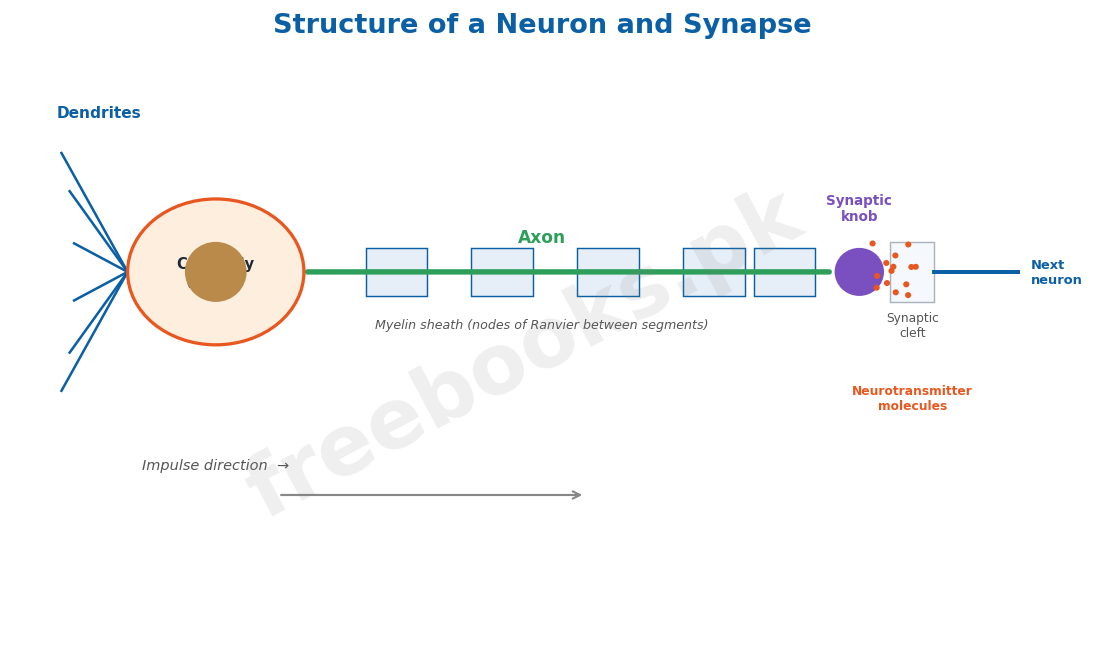
Nervous coordination depends on three functional elements linked by neurons. Receptors detect stimuli and are classified by the type of stimulus they respond to: chemoreceptors (smell, taste, blood chemistry), mechanoreceptors (touch, pressure, hearing, equilibrium), photoreceptors (light, e.g. rods and cones in the eye), thermoreceptors (temperature) and nociceptors (pain). In human skin, at least three types of sensory endings detect five different sensations – touch, pressure, heat, cold and pain – including hair end organs, encapsulated Meissner's corpuscles (touch, in fingertip papillae) and deeper Pacinian corpuscles (pressure); pain receptors are about 27 times more abundant than cold receptors, which are themselves about 10 times more abundant than heat receptors. Neurons are the structural and functional units of the nervous system, supported by neuroglia (which nourish and protect neurons via the myelin sheath); each neuron has a cell body (soma, containing the nucleus and Nissl's granules), dendrites or a dendron (carrying impulses toward the cell body), and an axon (carrying impulses away, sometimes over a metre long). There are three functional types of neuron: sensory neurons (carry impulses from receptors), association or relay neurons (connect neurons within the CNS), and motor neurons (carry impulses to effectors).
Effectors are the structures – chiefly muscles (which contract) and glands (which secrete) – that respond to an impulse arriving via a motor neuron, and the overall flow of information from receptor to effector is best illustrated by the reflex arc, an involuntary response pathway. In a simple reflex arc such as the pain-withdrawal reflex, a sensory neuron with pain-sensitive endings in the skin carries an impulse to an association neuron in the spinal cord, which stimulates a motor neuron, whose axon carries the impulse to a muscle, causing it to contract and withdraw the affected body part – all without requiring conscious involvement of the brain, though the sensory neuron typically also relays signals to the brain via other association neurons, informing it of the event.
The Nerve Impulse, Synapse and Evolution of the Nervous System
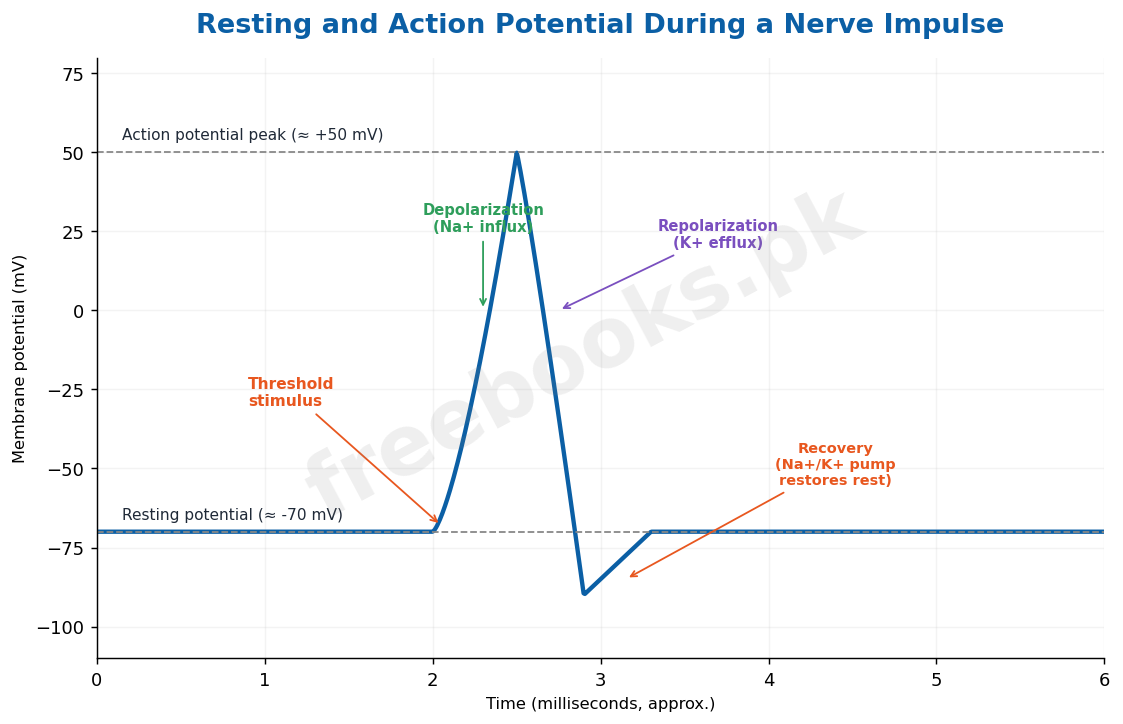
A nerve impulse is a travelling wave of electrochemical change along a neuron's membrane. At rest, a neuron's membrane potential (about -70 mV) is more negative inside than outside, this resting potential maintained by the sodium-potassium pump (which actively transports 3 Na+ out for every 2 K+ pumped in, against their concentration gradients, using ATP), by large negatively-charged organic ions trapped inside the cell, and by the outward leakage of K+ ions (since the membrane is more permeable to K+ than to Na+). When a threshold stimulus is applied, sodium gates open and Na+ rushes in, briefly reversing the membrane potential to a positive action potential (about +50 mV) at that point; this depolarisation is quickly followed by K+ efflux (repolarisation) and restoration of the resting potential by the sodium-potassium pump, with the whole cycle taking only 2 to 3 milliseconds and travelling as a wave along the neuron (jumping node to node, called saltatory conduction, in myelinated neurons) – the normal speed of a human nerve impulse is about 100 metres per second, with a maximum recorded speed of about 120 metres per second.
Where the axon ending of one neuron meets the dendrites of the next, a microscopic gap called a synapse is left, since there is no direct cytoplasmic connection between neurons. An arriving impulse cannot jump this gap directly; instead, it triggers the release of a chemical neurotransmitter (such as acetylcholine, adrenaline, noradrenaline, serotonin or dopamine) from synaptic vesicles into the synaptic cleft, and this neurotransmitter binds receptors on the next neuron's membrane, potentially triggering a new action potential there. The nervous system itself shows an evolutionary progression in organisation: Hydra has a simple diffused nervous system, a network of undifferentiated neurons with no brain, nerve cords or specialised sense organs, and the whole body responds as a unit to a stimulus; Planaria, by contrast, has the beginnings of a centralised nervous system, with a bilobed 'brain' of two ganglia, differentiated sensory, association and motor neurons, simple eyes and chemoreceptors, and definite longitudinal and lateral nerves – a pattern of increasing centralisation that continues through more complex invertebrates to the elaborate centralised nervous system of vertebrates, including humans.
The Human Nervous System: CNS, PNS and Nervous Disorders
The central nervous system (CNS) consists of the brain and spinal cord, both protected by bone (cranium and vertebral neural arches), triple membranes called meninges, and cushioning cerebrospinal fluid. The brain is divided into the forebrain (comprising the thalamus, which relays sensory information; the limbic system, including the hypothalamus, amygdala and hippocampus, responsible for basic emotions, drives and long-term memory formation; and the cerebrum, the largest part, whose deeply folded outer cerebral cortex processes sensory information, directs voluntary movement and underlies thinking, with the left hemisphere controlling the right side of the body and vice versa), the midbrain (reduced in humans, containing auditory relay centres and the reticular formation, which screens sensory input before it reaches higher brain centres), and the hindbrain (comprising the medulla, which controls automatic functions such as breathing and heart rate; the pons, involved in sleep-wake transitions; and the cerebellum, which coordinates smooth, accurate movement and body position). The spinal cord, a hollow structure with inner grey matter (cell bodies) and outer white matter (myelinated tracts), serves as both a reflex centre and a conduction pathway between the body and brain.
The peripheral nervous system (PNS) consists of 12 pairs of cranial nerves (from the brain) and 31 pairs of spinal nerves (mixed sensory and motor, from the spinal cord), organised into the somatic nervous system (voluntary control of skeletal muscle) and the autonomic nervous system (involuntary control of internal organs, glands and smooth muscle), which is itself divided into the sympathetic system (active in emergencies – the 'fight or flight' response, accelerating heart rate and inhibiting digestion) and the parasympathetic system (active during rest, promoting digestion and slowing heart rate). Common nervous disorders include Parkinson's disease (tremors and rigidity from dopamine-producing cell death, typically with onset in the 50s or 60s), epilepsy (a convulsive disorder from abnormal electrical discharges in the brain, typically with onset before age 30), and Alzheimer's disease (progressive decline in brain function and memory, with both genetic and environmental risk factors); nicotine, meanwhile, is a nervous system stimulant that mimics acetylcholine at nicotinic receptors, increasing heart rate, blood pressure and digestive tract activity.
Chemical Coordination: Hormones and the Hypothalamus-Pituitary Axis
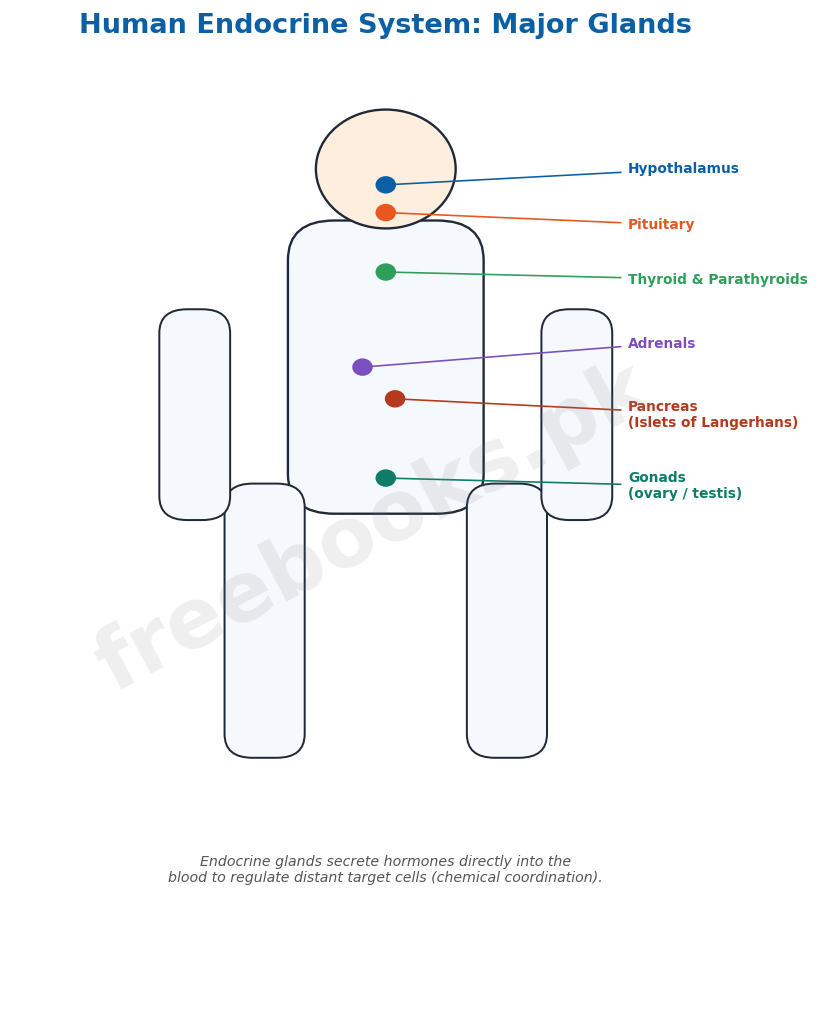
Chemical coordination in animals is carried out by the endocrine system, a network of about 20 ductless glands and tissues that secrete hormones directly into the blood. Hormones are organic compounds – proteins (e.g. insulin), amino acid derivatives (e.g. thyroxine, adrenaline), polypeptides (e.g. ADH, oxytocin) or steroids (e.g. oestrogen, testosterone) – that regulate, rather than initiate, biochemical reactions at distant target cells, often controlling long-term processes such as growth, metabolism and sexual maturity. The hypothalamus, part of the forebrain, converts nervous stimuli into hormonal responses: its neurosecretory cells produce oxytocin and antidiuretic hormone (ADH), which travel down nerve fibres to be stored in and released from the posterior pituitary, and also produce releasing and inhibiting hormones that travel by blood to the anterior pituitary, regulating its hormone output.
The pituitary gland (hypophysis), an ovoid structure of about 0.5 g connected to the brain by the infundibulum, has three lobes. The anterior lobe, often called the master gland, secretes somatotrophin (growth hormone, causing gigantism if oversecreted in youth or dwarfism if undersecreted), thyroid-stimulating hormone (TSH, regulating the thyroid), adrenocorticotropic hormone (ACTH, regulating the adrenal cortex), and gonadotrophic hormones (FSH, LH/ICSH and prolactin, regulating the gonads). The median lobe secretes melanophore-stimulating hormone (MSH), which darkens skin pigmentation. The posterior lobe releases the stored hormones ADH (which increases water reabsorption in the kidney nephron; its deficiency causes diabetes insipidus) and oxytocin (which stimulates uterine contraction during childbirth and milk ejection during suckling).
Other Major Endocrine Glands and the Feedback Mechanism
Several other glands complete the endocrine system. The thyroid gland produces thyroxine (T4) and tri-iodothyronine (T3), which raise the basal metabolic rate and are essential for normal growth and brain development (their deficiency in infancy causes cretinism, and in adults causes myxoedema or goiter, while excess causes Graves' disease), and calcitonin, which lowers blood calcium; the parathyroid glands (embedded in the thyroid) produce parathormone, which raises blood calcium (its underactivity causes muscular tetany, and overactivity causes bone demineralisation and kidney stones) and is antagonistic to calcitonin. The islets of Langerhans in the pancreas contain beta cells, which secrete insulin (lowering blood glucose; its deficiency causes diabetes mellitus), and alpha cells, which secrete glucagon (raising blood glucose, antagonistic to insulin). The adrenal glands have an outer cortex (secreting cortisol, corticosterone, aldosterone and androgens, active especially under stress) and inner medulla (secreting adrenaline and noradrenaline, which raise blood pressure and reinforce the sympathetic 'fight or flight' response); the gut produces gastrin (stimulating gastric juice secretion) and secretin (stimulating pancreatic juice and bile production); and the gonads produce oestrogen and progesterone (ovary, regulating the menstrual cycle and pregnancy) or testosterone (testis, regulating male sexual development).
Feedback mechanism is the process by which a controlling system is itself regulated by the products of the reactions it controls, allowing the body to maintain balanced hormone levels through opposing accelerator and inhibitor actions. In thyroid regulation, for example, low body temperature or stress stimulates the hypothalamus to release TSH-releasing hormone, which triggers anterior pituitary release of TSH, which stimulates the thyroid to release thyroxine, which raises metabolic rate and body temperature; both the raised temperature and the raised thyroxine level then inhibit further release of the hypothalamic releasing hormone and pituitary TSH, completing a negative feedback loop that prevents overproduction. Nervous and chemical coordination share several features – both use chemical messengers, act in extracellular space, and respond to internal or external stimuli – but differ sharply in speed and duration: nervous coordination is fast (impulses at up to 120 m/s) and short-lived, acting on specific nearby target cells via electrical signals, while chemical coordination is slower but longer-lasting, with hormones travelling via the blood to reach distant target cells throughout the body.
Behaviour: Innate and Learned
Behaviour is broadly divided into innate (inherited, predetermined) and learned (modified by individual experience) types. Innate behaviour, which includes all plant behaviour, produces the same response to a given stimulus every time because it follows built-in nerve or cytoplasmic pathways shaped by natural selection for their survival value; types include orientation responses such as kineses (undirected change in movement speed or turning rate in response to a stimulus, as in woodlice seeking moisture) and taxes (directed movement toward or away from a stimulus), as well as more complex reflexes and instincts such as courtship, mating and social behaviour. Instinctive behaviour is triggered by specific 'sign stimuli' recognised via an innate releasing mechanism, and is especially valuable for animals with short life spans and little parental care, such as the digger wasp, whose entire complex nest-provisioning behaviour is completed instinctively within a few weeks before she dies.
Learning, unlike instinct, depends on individual experience and requires a developed nervous system, so higher animals generally show a greater capacity for it. Thorpe classified learning into six types: imprinting (a brief, sensitive-period attachment to the first moving object encountered, seen in precocial birds such as ducklings); habituation (the simplest form of learning, a diminishing response to a repeated, harmless stimulus, as when a snail stops retracting into its shell after repeated harmless taps); conditioning or conditioned reflex type I (pairing an irrelevant stimulus with a natural one, as in Pavlov's dogs learning to salivate at the sound of a bell); operant conditioning or trial-and-error learning (learning through reward following random activity, as studied by Thorndike and Skinner using rats and cats in mazes or puzzle boxes); latent learning (learning that occurs without an obvious reward at the time, revealed only later, as when a rat that has previously explored a maze finds food in it more quickly); and insight learning (the highest form of learning, applying reasoning to solve a novel problem without prior trial and error, as demonstrated by Kohler's chimpanzees stacking boxes to reach suspended fruit).
Important Definitions
Coordination
The integration of the activities of different parts of an organism's body in response to internal or external stimuli.
Hormone
An organic chemical messenger secreted directly into the blood (in animals) or transported within tissues (in plants) that regulates the activity of target cells.
Neuron
The basic structural and functional unit of the nervous system, specialised to generate and conduct nerve impulses.
Synapse
The microscopic gap between the axon ending of one neuron and the dendrites of the next, across which a nerve impulse is transmitted chemically.
Reflex arc
The pathway followed by a nerve impulse during an involuntary reflex action, from receptor through sensory, association and motor neurons to an effector.
Circadian rhythm
A biological rhythm with a periodicity of about 24 hours, driven by a combination of an internal biological clock and external environmental cues.
Feedback mechanism
A regulatory process in which a controlling system is itself controlled by the products of the reactions it regulates, such as hormone levels inhibiting their own further release.
Instinct
An inherited, predetermined behavioural response to a specific stimulus that is consistent within a species and not modified by individual experience.
Key Facts
| Item | Fact |
|---|---|
| Nerve impulse speed | Normal human nerve impulse speed is about 100 m/s; maximum recorded speed is about 120 m/s. |
| Resting and action potential | Resting membrane potential is about -70 mV; action potential reaches about +50 mV. |
| Sodium-potassium pump ratio | For every 2 K+ ions pumped in, 3 Na+ ions are pumped out, both against their concentration gradients. |
| Cranial and spinal nerves | 12 pairs of cranial nerves arise from the brain; 31 pairs of spinal nerves arise from the spinal cord. |
| Receptor abundance | Pain receptors are about 27 times more abundant in skin than cold receptors; cold receptors are about 10 times more abundant than heat receptors. |
| Pituitary gland | The pituitary gland weighs about 0.5 g in an adult and has three lobes: anterior, median and posterior. |
| Thyroid hormones | Thyroxine (T4) has 4 iodine atoms; tri-iodothyronine (T3) has 3 iodine atoms and a similar structure. |
| Action potential duration | A full action potential cycle (depolarisation to recovery) takes about 2-3 milliseconds. |
Diagrams & Illustrations
Structure of a Neuron and Synapse: a labelled diagram of a motor neuron showing the cell body, dendrites, axon and myelin sheath, connecting at a synapse to the next neuron, with neurotransmitter release into the synaptic cleft.
Resting and Action Potential: a graph showing the change in membrane potential over time during a nerve impulse, from the resting potential (about -70 mV) through depolarisation (sodium influx) to the action potential peak (about +50 mV) and repolarisation (potassium efflux) back to rest.
Human Endocrine System: Major Glands: a labelled diagram of the human body outline showing the location of the major endocrine glands: hypothalamus, pituitary, thyroid, parathyroid, adrenals, pancreas and gonads.
Short Questions & Answers
Why is hormonal control in plants slower than nervous control in animals?
Plant hormones must be synthesised, released, and transported (often over some distance) to reach target cells before producing an effect, and plants lack the specialised, rapidly conducting nerve cells that animals use; since plant responses (growth, turgor changes) are themselves comparatively slow, this delay in hormonal control is not a significant disadvantage.
Differentiate the resting membrane potential and the action potential.
The resting membrane potential (about -70 mV) is the stable electrical charge difference across an unstimulated neuron's membrane, maintained by the sodium-potassium pump and K+ leakage; the action potential (about +50 mV) is the brief, localised reversal of this charge that occurs when a threshold stimulus opens sodium gates, allowing Na+ to rush in and depolarise the membrane, which is the physical basis of a nerve impulse.
How is the nervous system of Planaria more advanced than that of Hydra?
Unlike Hydra's simple diffused network of undifferentiated neurons with no brain, Planaria has the beginning of a centralised nervous system (a bilobed 'brain' of two ganglia), differentiated sensory, association and motor neurons, simple eyes and chemoreceptors, and definite longitudinal and lateral nerves.
Differentiate the sympathetic and parasympathetic nervous systems.
The sympathetic system is active during emergencies (the 'fight or flight' response), accelerating heart rate, dilating pupils and inhibiting digestion; the parasympathetic system is active during rest, promoting digestion, contracting pupils and slowing heart rate; both are divisions of the autonomic nervous system and act automatically on internal organs.
What is the feedback mechanism, and how does it regulate thyroid hormone levels?
Feedback mechanism is a regulatory process in which a controlling system is itself controlled by the products of the reactions it regulates; in thyroid regulation, rising thyroxine levels and body temperature inhibit further release of hypothalamic releasing hormone and pituitary TSH, preventing thyroxine overproduction (negative feedback).
Differentiate habituation and imprinting as types of learning.
Habituation is the simplest form of learning, a gradual decrease in response to a repeated, harmless stimulus (such as a snail no longer retracting after repeated harmless taps); imprinting is a rapid, sensitive-period attachment to the first moving object encountered shortly after birth or hatching, typically seen in precocial birds such as ducklings.
Long Questions & Answers
Describe the mechanism of nerve impulse generation and conduction, including the resting and action membrane potentials.
A nerve impulse is fundamentally a travelling wave of electrochemical change along the length of a neuron's membrane, and understanding it begins with the resting membrane potential, the stable electrical charge difference of about -70 millivolts that exists across the membrane of an unstimulated neuron, with the inside of the cell more negatively charged relative to the outside. This resting potential is maintained by three main factors working together: first, and most importantly, the sodium-potassium pump, an active transport mechanism powered by ATP hydrolysis that is embedded in every neuron's membrane and continuously pumps three sodium ions out of the cell for every two potassium ions it pumps in, both moving against their natural concentration gradients, with the effect that sodium becomes about tenfold more concentrated outside the cell while potassium becomes about twentyfold more concentrated inside; second, large, negatively charged organic ions such as proteins and organic acids are present in far higher concentration inside the neuron than outside, contributing directly to the more negative internal charge; and third, because the resting membrane is selectively more permeable to potassium than to other ions, some potassium continuously leaks out of the cell by diffusion, further adding to the net negative charge left behind inside. When an appropriate threshold stimulus is applied to one point on the neuron, this stable resting state is dramatically and briefly disrupted: specific sodium gates in the membrane at that point open, and because sodium is so much more concentrated outside the cell, it rushes rapidly inward by diffusion, a process called depolarisation, which reverses the local membrane potential so sharply that the inside becomes electrically positive relative to the outside, reaching a peak of about positive 50 millivolts – this reversed state is called the action potential, or active membrane potential, and represents the physical form of the nerve impulse itself. This state is extremely brief, lasting only a fraction of a millisecond at any one point, because the sodium gates rapidly close again and potassium gates open, allowing potassium to diffuse back out of the cell (repolarisation) and restore the negative resting state, with the sodium-potassium pump then working to restore the original ion concentration gradients fully, a recovery process that together with depolarisation takes only about 2 to 3 milliseconds in total. Critically, this local reversal and recovery of membrane potential does not stay confined to a single point but triggers the same sequence of events in the immediately adjacent portion of the membrane, and then the portion beyond that, so that the action potential propagates as a continuously self-regenerating wave along the entire length of the neuron until it reaches the synapse at its terminal end; in myelinated neurons, this process is greatly sped up because the insulating myelin sheath forces the impulse to jump directly from one node of Ranvier to the next in a process called saltatory conduction, allowing human nerve impulses to travel at speeds of up to 100 metres per second under normal conditions, with a maximum recorded speed of about 120 metres per second.
Describe the structure and functions of the different parts of the human brain.
The human brain, protected by the cranium, meninges and cerebrospinal fluid, is organised into three major regions – the forebrain, midbrain and hindbrain – each with distinct structures and functions. The forebrain is further divided into three functional parts: the thalamus, which acts as a central relay station carrying sensory information (from the auditory and visual pathways, the skin, and internal body sensors) onward to the limbic system and cerebrum; the limbic system, an arc of structures between the thalamus and cerebrum comprising the hypothalamus, amygdala and hippocampus (together with nearby cerebral regions), which produces basic, largely unconscious emotions and drives such as fear, rage, hunger, thirst and sexual response, with the hypothalamus specifically acting as a major coordinating centre for body temperature, hunger, water balance and the sleep-wake cycle through both hormonal and neural connections, the amygdala generating sensations of pleasure, punishment, fear and rage, and the hippocampus playing a critical role in forming long-term memories and enabling learning; and the cerebrum, the largest part of the brain, divided into two cerebral hemispheres connected by the corpus callosum, whose deeply folded outer layer, the cerebral cortex, contains primary sensory areas that receive and convert raw sensory input into subjective impressions, association areas that interpret this information and are involved in speech, touch interpretation, and higher functions such as intelligence, reasoning and judgement, and motor areas that direct voluntary muscle movement, with the important cross-lateral arrangement in which the left hemisphere controls the right side of the body and the right hemisphere controls the left side. The midbrain, comparatively reduced in size in humans relative to other vertebrates, contains an auditory relay centre, a centre controlling reflex eye movements, and the reticular formation, a relay network connecting the hindbrain to the forebrain that plays an important role in filtering and screening incoming sensory information before it reaches higher brain centres, preventing sensory overload. The hindbrain comprises three structures: the medulla, positioned at the base of the brain and continuous with the spinal cord, which controls essential automatic, life-sustaining functions such as breathing rate, heart rate, blood pressure and swallowing; the pons, situated above the medulla, whose neurons influence the transition between sleep and wakefulness as well as the rate and pattern of breathing; and the cerebellum, which is responsible for coordinating smooth, precisely timed body movements and maintaining posture and balance, is also involved in motor learning and memory for learned movement patterns, and is particularly well developed in birds, reflecting the exceptional coordination demands of powered flight.
Describe the anterior, median and posterior lobes of the pituitary gland and the hormones each secretes.
The pituitary gland, or hypophysis cerebri, is a small ovoid endocrine structure weighing only about half a gram in an adult human, suspended from the base of the brain by a short stalk called the infundibulum, and organised into three distinct lobes, each with its own characteristic hormonal output. The anterior lobe is frequently termed the body's 'master gland' because, in addition to secreting hormones with direct effects of their own, it produces a set of tropic hormones that in turn control hormone secretion by several other endocrine glands throughout the body; its secretions include somatotrophin, or growth hormone, whose oversecretion during childhood produces excessive skeletal growth known as gigantism (or, if oversecretion begins only after normal bone growth has ceased in adulthood, the abnormal enlargement of hands, feet and jaw known as acromegaly), while its undersecretion in childhood produces dwarfism; thyroid-stimulating hormone (TSH), whose release is itself regulated by circulating thyroxine levels through a hypothalamic feedback loop, and which acts directly on the thyroid gland to increase both the number and secretory activity of its cells; adrenocorticotropic hormone (ACTH), whose release is triggered by stress signals such as cold, pain, fright or infection acting on the hypothalamus, and which regulates the secretory activity of the adrenal cortex; and the gonadotrophic hormones – follicle-stimulating hormone (FSH), luteinising hormone (LH, also called interstitial cell-stimulating hormone or ICSH in males) and prolactin – which together regulate development of the ovarian follicles and testicular germinal epithelium, oestrogen secretion, ovulation, and (in the case of prolactin) milk production. The median lobe, by contrast, secretes only a single hormone of note, melanophore-stimulating hormone (MSH), whose release is itself governed by the hypothalamus and by external light levels, and which acts on melanocytes in the skin to stimulate production of the pigment melanin, darkening the skin – notably to an excessive degree in Addison's disease. The posterior lobe does not itself synthesise any hormones but instead stores and releases two hormones that are actually produced by neurosecretory cells in the hypothalamus and transported down nerve fibres for storage there: antidiuretic hormone (ADH, or vasopressin), released in response to falling blood pressure, blood volume or rising blood osmotic pressure as detected by hypothalamic osmoreceptors, which acts on the distal nephron and collecting duct of the kidney to increase water reabsorption (with its deficiency producing the excessive dilute urination and thirst characteristic of diabetes insipidus); and oxytocin, released in response to cervical distension, falling blood progesterone, and neural stimuli during childbirth and suckling, which acts on uterine smooth muscle to stimulate the powerful contractions of labour and on the mammary glands to trigger milk ejection.
Compare nervous coordination and chemical coordination, describing both their similarities and differences.
Nervous coordination and chemical (hormonal) coordination are the two principal mechanisms by which animals integrate the activities of their body in response to internal and external stimuli, and although they achieve broadly the same overall purpose, they do so through markedly different mechanisms with correspondingly different characteristics. The two systems share several underlying similarities: both nerve cells and hormone-producing cells synthesise and release chemical messenger molecules; both release these messengers into extracellular spaces within the body rather than directly into target cells; both systems function specifically in response to internal or external stimuli; both play an essential role in overall bodily coordination; and both contribute importantly to the maintenance of homeostasis. Despite these shared features, the two systems differ sharply in their structural basis, their range of action, their speed, and the duration of their effects. Structurally, nervous coordination depends on neurons (of sensory, association and motor types) supported by neuroglial cells providing nutrition and protection, whereas chemical coordination depends on hormone-producing endocrine cells and neurosecretory cells such as those in the hypothalamus. In terms of range, the chemical messengers released by neurons (neurotransmitters) act only extremely locally, over the microscopic width of a single synapse, affecting only the one or few cells directly connected to that synapse, whereas hormones are released into the bloodstream and are carried indiscriminately throughout the entire body, bathing millions of cells even though only those specific target cells bearing the appropriate receptors will actually respond, meaning a single hormone can potentially act simultaneously on distant target tissues throughout the body. In terms of speed, the electrical nature of nerve conduction, with impulses travelling at speeds of up to 120 metres per second in humans, allows nervous coordination to produce essentially immediate, near-instantaneous responses to a stimulus, whereas chemical coordination, dependent on the comparatively slow physical transport of hormone molecules through the circulatory system, acts far more slowly, though certain hormones such as insulin can still produce relatively rapid effects. Finally, in terms of duration, neurotransmitters released at a synapse are rapidly broken down and cleared after their release, so the resulting effects of nervous coordination tend to be brief and short-lived, whereas hormones circulating in the bloodstream typically remain active for considerably longer periods, meaning that chemical coordination, while slower to begin, tends to produce effects of much longer duration – well suited to controlling gradual, long-term processes such as growth, metabolic rate and sexual maturation rather than the instantaneous, moment-to-moment responses that nervous coordination is specialised to provide.
Describe the six types of learning behaviour identified by Thorpe, with an example of each.
Thorpe classified learning, defined as adaptive modification of behaviour resulting from individual experience, into six distinct types, each illustrated by classic examples from animal behaviour research. The first, imprinting, is a rapid and highly specific form of learning best documented in precocial birds such as geese, ducks and chickens, in which newly hatched young pass through a brief, biologically sensitive period during which they become permanently attached to, and will subsequently follow, the first suitably moving object they encounter – normally their own mother, whose appearance they thereby learn very rapidly, though in her absence a young bird may instead imprint on another species, a human, or even an inanimate object. The second, habituation, is considered the simplest form of learning, involving a gradual, adaptive decrease in an organism's behavioural response to a stimulus that is repeated often enough to prove harmless or irrelevant, usefully conserving the animal's energy and attention for genuinely significant stimuli – classically illustrated by a snail crawling on a glass surface, which initially retracts fully into its shell whenever the glass is tapped but responds progressively less strongly to repeated taps, eventually ceasing to respond to the stimulus at all once it has, in effect, learned that the tapping carries no real threat. The third, conditioning or conditioned reflex type I, involves the deliberate pairing of an originally irrelevant, neutral stimulus with a natural stimulus that already reliably triggers some automatic reflex response, until the neutral stimulus alone comes to trigger that same response – most famously demonstrated by Pavlov, who repeatedly rang a bell immediately before presenting food to dogs (which naturally salivate at the sight or smell of food) until the dogs eventually began salivating at the sound of the bell alone, even without any food being present. The fourth, operant conditioning, or conditioned reflex type II, also called trial-and-error learning and studied extensively by Thorndike and later by B. F. Skinner, is a more complex form of learning in which an animal's initially random exploratory activity is gradually and selectively shaped, through the rewarding consequences that some of those actions happen to produce, into a consistent, goal-directed behavioural pattern – demonstrated experimentally by rats and cats that learn, through repeated accidental trial and error, to navigate a maze to reach food or to press a lever to escape a puzzle box, with the behaviour that leads to reward becoming progressively more frequent and reliable with repetition. The fifth, latent learning, describes learning that occurs in the absence of any obvious or immediate reward at the time it takes place, becoming evident only later when circumstances change – illustrated by a rat that is allowed to wander freely and explore a maze with no food present, apparently learning the maze's layout with no incentive to do so, and subsequently demonstrating this hidden, previously unrewarded learning by navigating directly to a food reward when one is later introduced into the same maze. The sixth and highest form, insight learning, involves the direct application of reasoning to solve an entirely novel problem without relying on any prior trial-and-error experience with that specific problem, and was famously investigated by Kohler in his experiments with chimpanzees, one of which, presented with fruit suspended out of reach from the ceiling of its cage together with several movable boxes of different sizes scattered on the floor, was observed to pause, apparently 'thinking' the problem through, before deliberately stacking the boxes on top of one another and climbing them to reach and retrieve the fruit – behaviour interpreted as genuine reasoning rather than blind trial and error, since the correct solution appeared suddenly and directly rather than emerging gradually through repeated failed attempts.
MCQs with Answers
Etiolation, the abnormal elongation and lack of chlorophyll in plants, is caused by: (a) excess water (b) absence of light (c) excess minerals (d) high temperature
Correct Answer: (b) absence of light. Plants grown without light become etiolated: abnormally long and unable to form chlorophyll.
Which plant hormone is used commercially as a selective weedkiller against broad-leaved (dicot) weeds? (a) gibberellin (b) cytokinin (c) 2,4-D (a synthetic auxin) (d) ethylene
Correct Answer: (c) 2,4-D (a synthetic auxin). 2,4-D, a synthetic auxin, is used as a selective weedkiller that kills broad-leaved dicot weeds without harming cereal crops.
The resting membrane potential of a typical neuron is approximately: (a) +50 mV (b) -70 mV (c) 0 mV (d) -120 mV
Correct Answer: (b) -70 mV. The resting membrane potential of a typical neuron is about -70 mV, with the inside more negative than the outside.
The chemical released at a synapse that transmits a nerve impulse to the next neuron is called a: (a) hormone (b) neurotransmitter (c) enzyme (d) receptor protein
Correct Answer: (b) neurotransmitter. Neurotransmitters, such as acetylcholine, are released at synapses and bind receptors on the next neuron to transmit the impulse.
Which brain region is chiefly responsible for coordinating smooth, accurate body movements and balance? (a) medulla (b) cerebellum (c) thalamus (d) hypothalamus
Correct Answer: (b) cerebellum. The cerebellum coordinates smooth, accurate movements and maintains body position and balance.
The autonomic nervous system division associated with the 'fight or flight' response is the: (a) somatic nervous system (b) parasympathetic system (c) sympathetic system (d) central nervous system
Correct Answer: (c) sympathetic system. The sympathetic system is active in emergencies, producing the 'fight or flight' response by accelerating heart rate and other changes.
Antidiuretic hormone (ADH) is released from the posterior pituitary and acts mainly on the: (a) thyroid gland (b) kidney nephron (c) adrenal cortex (d) pancreas
Correct Answer: (b) kidney nephron. ADH increases water reabsorption in the distal nephron and collecting duct of the kidney.
Insulin and glucagon are secreted by which endocrine gland? (a) thyroid (b) adrenal medulla (c) islets of Langerhans (pancreas) (d) parathyroid
Correct Answer: (c) islets of Langerhans (pancreas). The islets of Langerhans in the pancreas secrete insulin (beta cells) and glucagon (alpha cells).
In thyroid hormone regulation, rising thyroxine levels inhibiting further TSH release is an example of: (a) positive feedback (b) negative feedback (c) operant conditioning (d) habituation
Correct Answer: (b) negative feedback. This is negative feedback: the product (thyroxine) inhibits further release of the hormone (TSH) that stimulated its own production.
A dog salivating at the sound of a bell after repeated pairing with food is an example of: (a) habituation (b) imprinting (c) conditioning (conditioned reflex type I) (d) insight learning
Correct Answer: (c) conditioning (conditioned reflex type I). This is Pavlov's classic example of conditioning (conditioned reflex type I), pairing a neutral stimulus with a natural one.
Quick Revision Summary
- Plant coordination: hormones only (slow). Etiolation (no light) vs chlorosis (mineral deficiency). Hormones: auxins (cell elongation, apical dominance), gibberellins (bolting, dormancy break), cytokinins (cell division, delay senescence), abscisic acid (stress/dormancy/stomatal closure), ethylene (fruit ripening).
- Nervous coordination elements: Receptors (chemo/mechano/photo/thermo/nociceptors) -> Neurons (sensory/association/motor; dendrites+axon+cell body) -> Effectors (muscles/glands). Reflex arc = fast involuntary pathway.
- Nerve impulse: resting potential ~-70mV (Na+/K+ pump, 3 Na+ out : 2 K+ in) -> stimulus opens Na+ gates -> action potential ~+50mV (depolarization) -> K+ efflux (repolarization) -> pump restores rest. Speed: 100 m/s (max 120 m/s). Synapse: neurotransmitter (acetylcholine etc.) bridges gap between neurons.
- Nervous system evolution: Hydra (diffuse net, no brain) -> Planaria (bilobed brain, differentiated neurons) -> vertebrates (centralized CNS). Human CNS: forebrain (thalamus/limbic system/cerebrum) + midbrain (reticular formation) + hindbrain (medulla/pons/cerebellum) + spinal cord. PNS: 12 cranial + 31 spinal nerve pairs; somatic (voluntary) + autonomic (sympathetic=fight/flight, parasympathetic=rest).
- Endocrine: Hypothalamus -> Pituitary (anterior: STH/TSH/ACTH/gonadotrophins; median: MSH; posterior: ADH/oxytocin, stored not made there). Thyroid (T3/T4, calcitonin), Parathyroid (parathormone), Pancreas (insulin/glucagon), Adrenal (cortex: cortisol/aldosterone; medulla: adrenaline/noradrenaline), Gut (gastrin/secretin), Gonads (oestrogen/progesterone/testosterone).
- Feedback mechanism: product inhibits its own stimulus (e.g., thyroxine inhibits TSH/releasing hormone) = negative feedback. Nervous vs chemical: nervous=fast/local/short-lived; chemical=slow/widespread/long-lasting.
- Behaviour: Innate (inherited, fixed – kineses, taxes, instincts, e.g. digger wasp) vs Learned (from experience – needs developed nervous system). Thorpe's 6 types of learning: imprinting (ducklings), habituation (snail), conditioning type I (Pavlov's dogs), operant/trial-error (Skinner's rats), latent learning (unrewarded maze exploration), insight learning (Kohler's chimps, highest form). Notes by freebooks.pk.
Exam Tips
- Build a simple 5-hormone table (auxin/gibberellin/cytokinin/abscisic acid/ethylene) with one growth effect and one commercial use for each – exam questions frequently ask for exactly this pairing.
- Learn the resting-to-action-potential sequence as five numbered steps (resting -> Na+ gates open/depolarize -> Na+ gates close/K+ gates open -> K+ efflux/repolarize -> pump restores rest) so you can both describe and label a graph of it.
- Keep Hydra vs Planaria nervous system differences as a clean point-by-point list (centralization, neuron differentiation, sense organs, nerves) – this comparison is asked almost every year in some form.
- Group the human brain by division (forebrain/midbrain/hindbrain) and know one clear function per structure (thalamus=relay, hypothalamus=homeostasis, cerebrum=voluntary+thinking, cerebellum=coordination, medulla=automatic functions) rather than memorising isolated facts.
- For each endocrine gland, memorise hormone name + one clear effect + one named disorder (e.g. thyroid: thyroxine, raises metabolic rate, deficiency = cretinism/goiter) – this pattern covers most short and long questions on this topic.
- Practice explaining the thyroid negative feedback loop as a five-step numbered sequence exactly as given in the textbook (temperature drop -> hypothalamus -> TSH -> thyroxine -> inhibits hypothalamus/pituitary) since it is commonly asked to be described or diagrammed.
- Memorise Thorpe's six learning types with exactly one named example each (imprinting=ducklings, habituation=snail, conditioning=Pavlov's dogs, operant=Skinner's rats/cats, latent=maze rat, insight=Kohler's chimps) – matching-style questions test this directly.